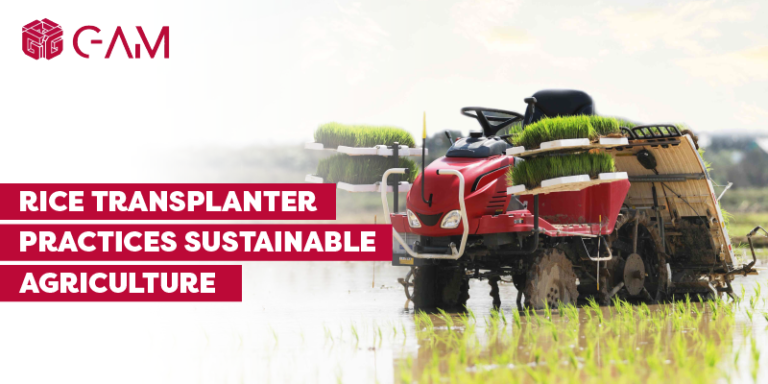
A ride-on rice transplanter works perfectly fine in waterlogged paddy fields. In fact, that is exactly the kind of field it is made for. The only thing to watch is how deep the water is and whether the ground has been properly levelled before the machine goes in. Get those two things right, and the rice transplanter (ride-on) will do its job well.
Table of Contents
- Can a Ride-On Rice Transplanter Work in Flooded or Waterlogged Paddy Fields?
- What Water Depth Works Best for a Ride-On Rice Transplanter in Paddy Fields?
- What Happens When Water Levels Are Too Deep for a Ride-On Rice Transplanter?
- How Does a Ride-On Rice Transplanter Handle Soft or Muddy Puddled Soil?
- What Adjustments Can You Make on a Ride-On Rice Transplanter for Waterlogged Field Conditions?
Can a Ride-On Rice Transplanter Work in Flooded or Waterlogged Paddy Fields?
Yes. Rice has always been grown in puddled, flooded soil, so this machine was made for exactly that. The wide tyres keep it from sinking, and a floating base keeps it steady on soft ground. It is designed to work in wet conditions. Here is what the machine needs in return:
- A properly puddled field with a firm base beneath the waterlogged top layer.
- Reasonably flat, levelled ground before planting begins.
- Consistent water depth across the field, not patches of deep and shallow water mixed together.
- Mat-type seedlings in standardised trays, not loose nursery bundles.
What Water Depth Works Best for a Ride-On Rice Transplanter in Paddy Fields?
Standing water should sit at about 2 to 4 cm when the transplanter goes in. That is not a lot of water. It is just enough to keep the soil in the right condition for planting. If the field dries out too much, the planting forks cannot do their job cleanly. If water is too deep, seedlings go in wrong, and the machine loses its footing on the soil below.
Read Next: How to Fix Common Problems with Rice Transplanter Machines
What Happens When Water Levels Are Too Deep for a Ride-On Rice Transplanter?
Deep water is one of the most common reasons a first transplanting run goes badly.
When there is too much standing water, the planting forks cannot read the soil properly. Seedlings go in at inconsistent depths, and some get submerged straight after placement before roots have a chance to form. The floating base also starts to lift off the soil surface slightly, which throws off planting depth across the whole field. What looks like a water level issue early on becomes an uneven crop at harvest.
Getting water depth right before the machine rolls in is one of the simplest things to control, and one of the most worth controlling.
How Does a Ride-On Rice Transplanter Handle Soft or Muddy Puddled Soil?
A ride-on transplanter is designed to work in puddled soil, so soft or muddy conditions are expected. The wide tyres spread the machine’s weight, and the floating mechanism accounts for minor surface variation during operation.
The timing of puddling matters, though. If the soil has been puddled too recently, it has not settled enough for the machine to maintain consistent planting depth. Most operators wait 24 to 48 hours before bringing the transplanter in. It is a small wait that prevents a lot of depth inconsistency across the field.
What Adjustments Can You Make on a Ride-On Rice Transplanter for Waterlogged Field Conditions?
Most ride-on transplanters have settings that can be adjusted to match field conditions. In waterlogged fields, these are the ones worth checking before starting:
- Planting depth: Shallower settings reduce the chance of seedlings going in too deep on very soft or freshly puddled soil.
- Float board height: A flatter angle helps on fields where the water is not sitting evenly across the surface.
- Forward speed: Slower movement on softer ground keeps planting depth more consistent and reduces bouncing on soft ground.
- Hill-to-hill spacing: This can be adjusted based on the rice variety and how the soil is behaving on the day.
- Seedling tray loading: Even, consistent loading across the tray reduces gaps in planting, which are harder to spot and correct in wet conditions.
Final Thoughts
Waterlogged paddy fields are not really a challenge for a ride-on transplanter. All you have to do is keep the water depth right, prepare the field properly, and make the small adjustments before planting starts.
Godabari Agro sells a range of ride-on rice transplanter models for farmers across Odisha and nearby regions. Contact us today to find the right one for your field.
Next, we get into what affects how evenly the machine plants and why the same transplanter can perform very differently from one field to another.
Frequently Asked Questions
- Can I use loose nursery seedlings in a ride-on rice transplanter?
No, ride-on transplanters require mat-type seedlings grown in standardised trays, not loose bundles from a traditional nursery.
- How long should I wait after puddling before using the transplanter?
Most operators wait 24 to 48 hours after puddling to let the soil settle before bringing the machine in.
- Does a ride-on rice transplanter work in all types of paddy soil?
It works best in properly puddled soil with a firm base beneath the waterlogged surface layer.