
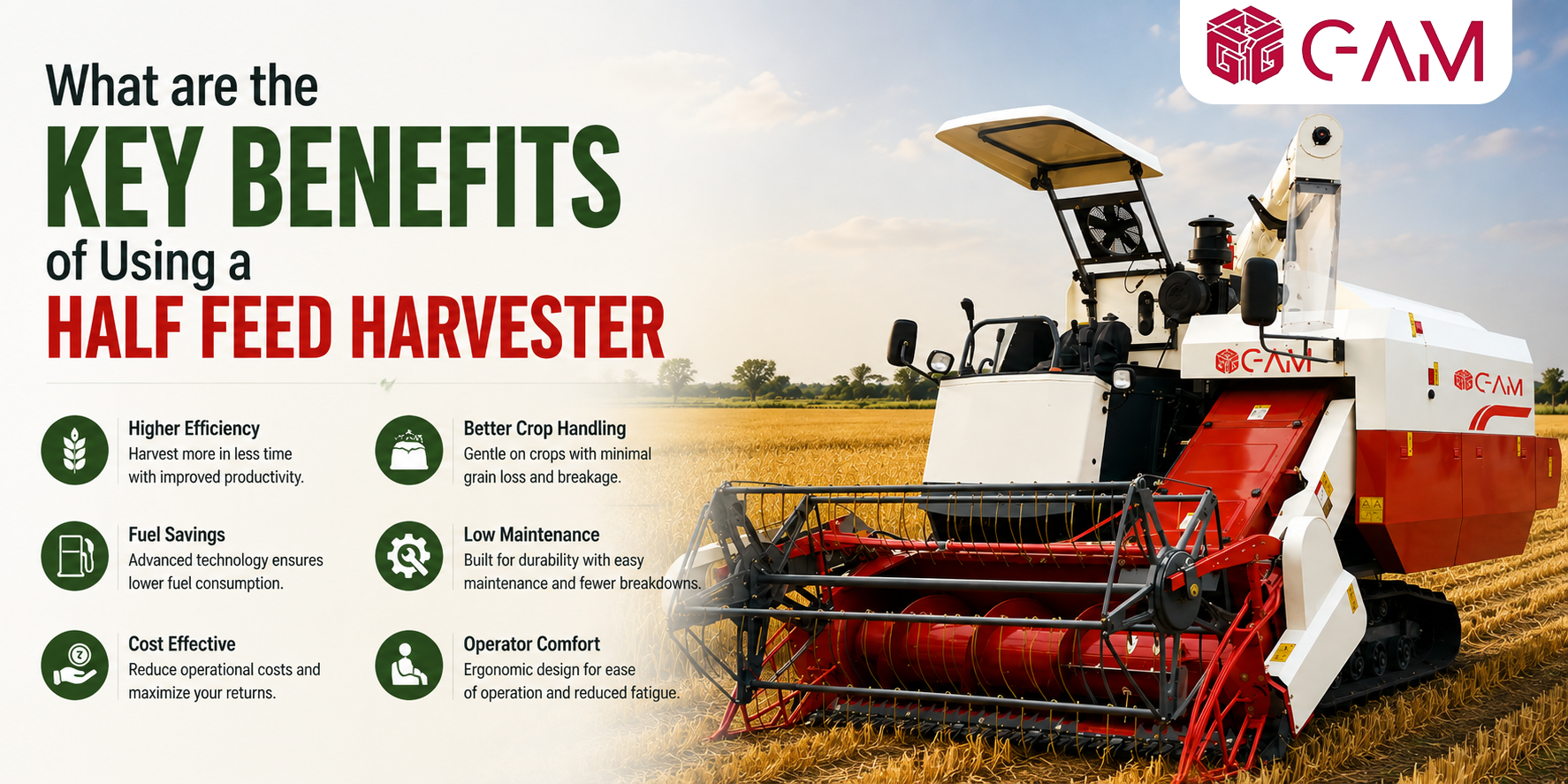
A half-feed harvester saves time and cuts down on labour, plain and simple. That’s the whole appeal. But not every machine on the market delivers the same performance, so it pays to actually compare specifications before buying the best half-feed harvester for your fields rather than grabbing whatever’s cheapest or closest.
Table of Contents
- How Does a Half-Feed Harvester Improve Harvesting Productivity?
- Can a Half-Feed Harvester Reduce Labour Requirements?
- How Does It Help Maintain Crop Quality During Harvesting?
- What Maintenance Practices Keep a Half-Feed Harvester Performing Efficiently?
- Why Is a Half-Feed Harvester Considered a Smart Long-Term Investment?
How Does a Half-Feed Harvester Improve Harvesting Productivity?
It combines cutting, gathering, and threshing into one pass instead of doing them as three separate steps. That alone saves real hours per acre compared to manual harvesting, where each extra step means more workers and more chances for delays.
You’d probably see this the most during peak season, when there are only a few good days of weather before it turns. Farms with a half-feed harvester usually get done before the rain comes. The ones without it? Still out in the field when it starts pouring.
Can a Half-Feed Harvester Reduce Labour Requirements?
Labour is usually the biggest headache during harvest, and a half-feed harvester takes a lot of that pressure off. A single operator can do the work that would otherwise need a full crew out in the field.
That matters a lot in regions where labour shortages hit hard every harvest season, which is exactly why a half-feed harvester for small farmers makes so much financial sense. Fewer hands needed in the field means lower daily costs too, and that savings stacks up fast across multiple harvests.
If you’re wondering how much of a difference the right machine can make, read Half-ing the Hassle with Godabari Half Feed Harvester
How Does It Help Maintain Crop Quality During Harvesting?
One thing a half-feed harvester does well is protect the grain itself. It only cuts and processes the top portion of the plant, so the stalk and grain never get mixed or crushed together the way they can with harsher methods, which is one of the key differences farmers weigh when comparing half-feed vs full-feed harvester options.
For paddy and grain crops, that gentleness isn’t just nice to have; it’s the difference between a full-price harvest and one that’s discounted for damaged kernels. Farms running these machines end up with cleaner, more even output, which shows up directly in what they get paid at sale.
What Maintenance Practices Keep a Half-Feed Harvester Performing Efficiently?
Cleaning the machine after every use is the simplest thing you can do to keep a half-feed harvester running well. Crop residue builds up fast, and if it’s left sitting, it clogs the parts that matter most. Regular checks of blades, belts and the threshing unit pick up small issues before they become mid-season breakdowns.
Beyond that, it’s the basics: keep moving parts lubricated, don’t let fuel or oil levels run low, and store the machine properly when it’s not in use. It’s not complicated, but skipping it is usually why machines wear out early or lose resale value faster than they should.
Why Is a Half-Feed Harvester Considered a Smart Long-Term Investment?
A half-feed harvester pays for itself over time. Lower labour costs, fewer crop losses, faster harvest cycles – do that math across a few seasons, and the machine usually earns back its price faster than sticking with manual labour ever would. That’s also why it’s worth comparing half-feed combine harvester prices across a few manufacturers before deciding, since the upfront cost varies more than most farmers expect.
The bigger payoff shows up later, though. Once the machine’s in place, scaling up doesn’t mean hiring proportionally more people every season. That’s one less bottleneck to worry about as the farm grows.
Order the Right Half-Feed Harvester for Your Farm
A good harvester isn’t just about the machine; it’s about who’s standing behind it. Godabari Agro builds half-feed harvesters made for Indian field conditions. Get in touch with us, and we can help you decide which model is best for your farm size and crops. Whether you’re purchasing your first harvester or upgrading from earlier equipment, our team will walk you through the details so you can buy with confidence.
We’ll be covering common issues farmers run into with their harvesters and how to prevent them in our next post. Don’t miss it.
Frequently Asked Questions
- Is a half-feed harvester suitable for small farms?
Yes, it works well for both small and large plots depending on the model chosen.
- Does a half-feed harvester work on all crop types?
It is best suited for paddy and similar grain crops with a defined stalk structure.
- How often should a half-feed harvester be serviced?
It should be checked and cleaned after every use and given a full service before each season.


